

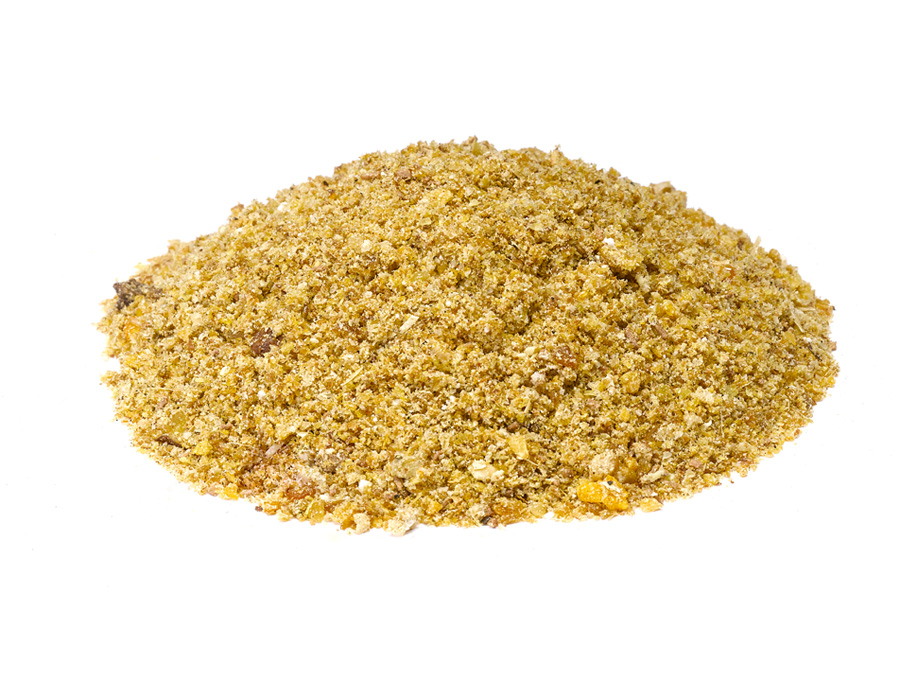
High energy from starch and sugar, Breakfast Cereal (No. 1 Mixed) is a very digestible and palatable feed derived predominantly from maize.
Recommended daily feed rates (per head basis)
Breakfast Cereals (No. 1 Mixed) can be fed as part of a TMR, individually or within a blend or top dressed. It
should not be fed alone in a parlour feeding system and should be introduced gradually into the ration.
•Milking Cows Up to 4 (typically 2-3)kg mixed with other feeds.
•Dry Cows Up to 2 (typically 1)kg
•Replacement Heifers Up to 2kg and up to 20% of the DMI
•Calves (to 12 weeks) Up to 0.5kg and up to 15% of the DMI
•Growing Cattle Up to 3kg and up to 30% of the DMI
•Finishing Cattle Up to 5kg (typically 3kg) and up to 30% of the DMI
•Suckler Cows Up to 3 (typically 1)kg
•Ewes and Rams Up to 1 (typically 0.5)kg
•Hoggets and Lambs Up to 0.3kg or up to 15% of the DM
•DMI = dry matter intake
• Breakfast Cereal (No. 1 Mixed) is available all year round, UK wide as 10-29T bulk tipped loads.
• It is advisable to contract supplies early as supply tends to be limited.
• Like all dry feeds, it should be stored in a secure shed or covered bunker and kept cool, dry and free from vermin.
• As the material tends to draw in moisture from the atmosphere, it is unsuitable for long term storage and should be used within 6-8 weeks of delivery. DO NOT STORE IN BULK BINS
Produced in the manufacture of breakfast cereals, Breakfast Cereal (No.1 Mixed) is a ground coarse mix
containing cooked and partially cooked maize, wheat and rice. It may also contain sugar, chocolate and
nuts.
Breakfast Cereal (No. 1 Mixed) is a FEMAS assured (or a recognised equivalent), fully traceable, product
and is marketed by KW Alternative Feeds a UFAS-accredited merchant. Breakfast Cereal (No. 1 Mixed)
(Products of the breakfast cereal manufacture) is listed under number 13.1.13 in the EU Catalogue of Feed
Materials.
There is an inherent risk of mycotoxins associated with the feeding of maize based products, this can fluctuate seasonally, based on growing, harvesting and storage conditions and therefore risks are well known and documented. These products are fed as part of ruminant diets on the basis of nutritional advice which must always include the addition of a mycotoxin binder made up of a bentonite clay and a yeast cell such as UltraSorb R, to mitigate these risks. For more information on UltraSorb R and its feed rate please see the datasheet on our website or contact your KW salesperson.
KWFEEDS
A very palatable, high energy and protein feed, rich in...
A very palatable, high energy and protein feed, rich in...
An extremely high protein feed providing more than one third...

An energy rich, highly digestible and palatable feed providing an...