

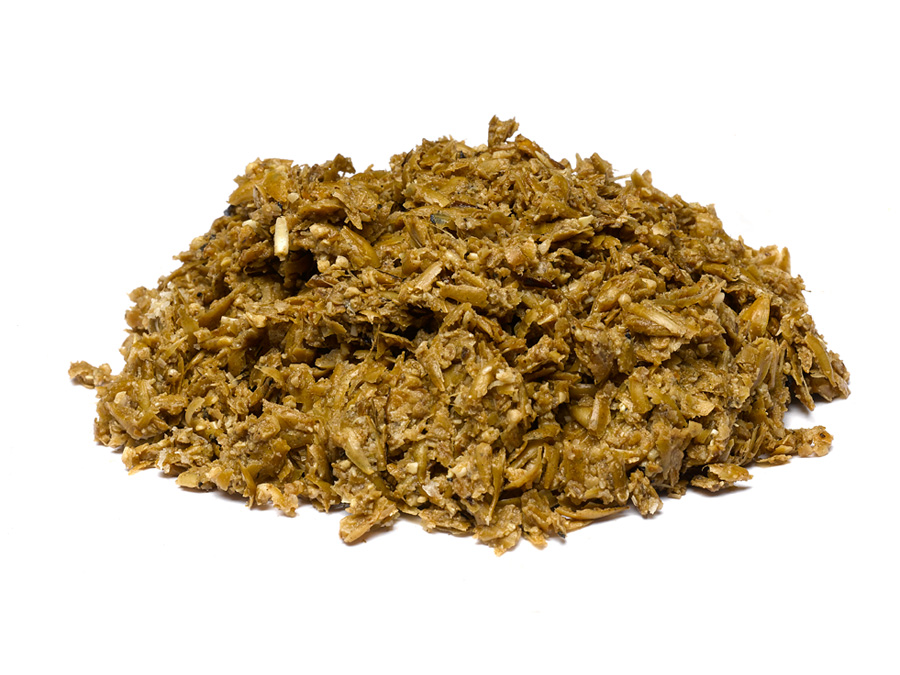
Draff is a highly palatable and succulent moist feed that provides a rich source of digestible fibre and protein.
Recommended daily feed rates (per head basis)
Draff can be fed as concentrate feed, part of a TMR and as a forage replacer.
•Milking Cows Up to 20 (typically 8)kg
•Dry Cows Up to 4 kg
•Replacement Heifers Up to 10kg and up to 30 % of the DMI
•Calves (to 12 weeks) Up to 5 kg and up to 25 % of the DMI
•Growing Cattle Can be fed ad lib and typically up to 50% of the DMI
•Finishing Cattle Can be fed ad lib and typically up to 50% of the DMI
•Suckler Cows Up to 15 (typically 6)kg
Draff is available primarily in Scotland and Northern England as bulk tipped loads. It is advisable to contract
supplies early as demand occasionally outstrips supply, particularly around the turn of the year, in early
spring and also at times of forage shortage.
Draff should always be stored on a clean and dry concrete base. If fed fresh, Draff should be consolidated
to exclude air from the load, sheeted with a good quality, clean sheet, and used within 6 weeks.
For longerterm storage, Draff should be clamped, consolidated to exclude air, and covered with a secured sheet in
the same manner as grass silage (see storage tips below). It is advisable to use clamped Draff within 6
months.
Draff can be mixed with other feeds, such as sugar beet feed or processed bread, to produce a moist
blend. Please note, it is not advisable to exceed a dry matter content of 65%.
Storage Tips
• Store on a clean dry concrete base.
• Storage sites should ideally be situated away from open watercourses, and designed with a narrow,
north facing feed face.
• Draff will be hot on arrival. It is best left for 24 hours before sheeting to let heat escape.
• Depending on the dry matter content of the Draff, the load may need to be compacted using a
tractor bucket or hand shovel, to remove air and maintain close contact between the top of the
load and the sheet.
• Cover with clean, good quality plastic sheets that create an effective oxygen barrier. Evenly weight
with Secure Covers and gravel bags or straw bales.
• Ensure the product is completely covered with the sheet, even at the edges, to create an airtight
seal.
• Failure to ensile properly may result in mould growth, loss of dry matter and a reduction in the
nutritive value of the clamp.
• When feeding starts, only expose 3-4 days’ worth of feed at a time to minimise the clamp area open
to the atmosphere. Placing a line of weights on the sheet, as far back as you intend to expose the
feed, reduces the risk or air entering the clamp and aids keeping quality.
• Ensure the open face of the silo is kept neat and tidy. The clamp face should never be covered
(unless the feed is to be ensiled for feeding at a later stage), as this will create a humid environment
which could encourage the growth of moulds and yeast.
• Product density is approx. 750kg/m3.
• For more detailed information please see the KW Moist Feed handling and storage booklet here.
The first stage in the production of malt whisky involves the steeping of malted barley in hot water to extract
soluble sugars. The liquid ‘wort’ is drained off to be fermented and distilled. The residue which remains is
Distillers’ Malt Draff. Nutritionally, Draff is rich in digestible fibre and also contains concentrated protein and
oil from the malted barley. It is moist, pale to mid brown in colour and palatable to all types of ruminant
stock.
Draff is a FEMAS assured (or a recognised equivalent), fully traceable, product, marketed by KW Alternative
Feeds- a UFAS accredited merchant. Draff is listed under number 1.12.13 in the EU Catalogue of Feed
Materials.
KWFEEDS
A high protein and energy molasses based liquid containing ‘regulated...

SodaWheat provides high energy from slowly fermentable starch plus rumen...
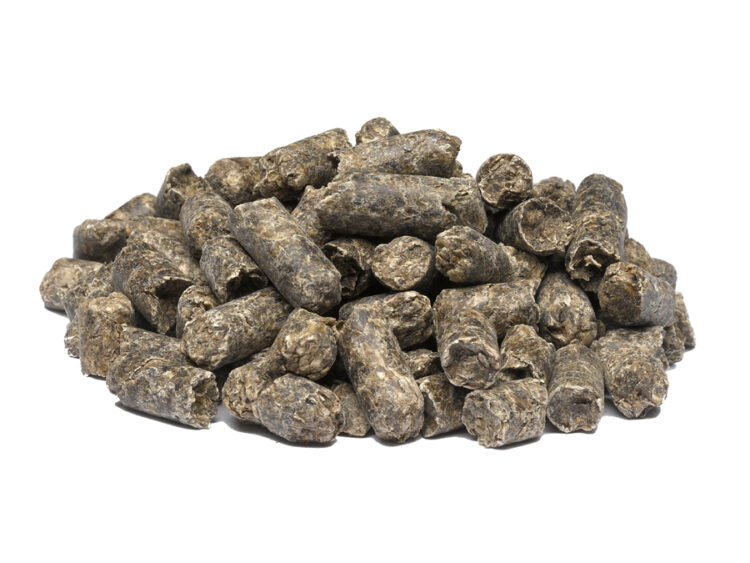
A palatable high digestible fibre and sugar energy, pelleted feed.
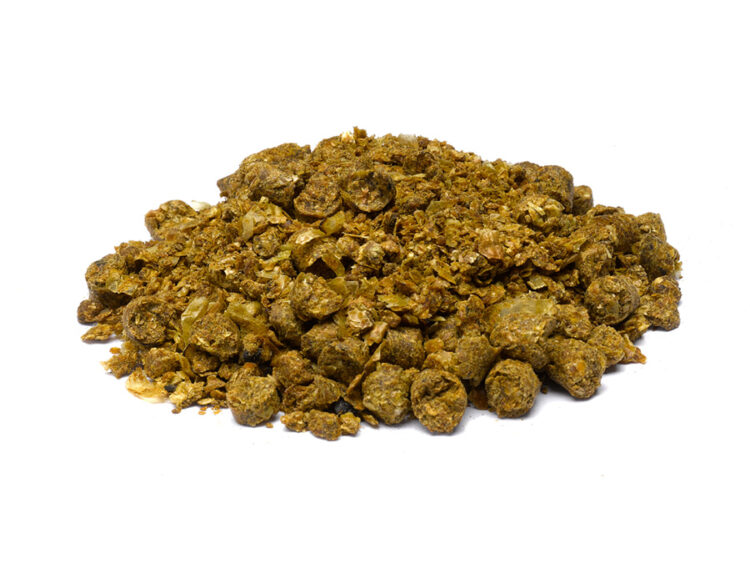
A palatable high energy, mid protein, digestible fibre and oil...